CodePath Technical Interview Prep
What it covers. Where to go next.
CodePath is one of the best free programs out there for learning data structures and algorithms. But knowing the patterns and performing under real interview pressure are two very different things. Here is how to bridge that gap.
What is CodePath?
A nonprofit making tech careers accessible to students who need it most.
CodePath is a nonprofit that runs free computer science courses for college students, with a heavy focus on getting underrepresented groups into top tech companies. Their technical interview prep course is one of their most popular programs.
It runs for 10 weeks, meets twice a week over Zoom, and walks you through core data structures and algorithms. Volunteer engineers from Google, Meta, and Amazon lead the sessions. You work through problems in small groups, get feedback from TAs, and do peer mock interviews toward the end.
The whole thing is structured, social, and completely free. For a lot of students, it is their first real exposure to what a technical interview actually looks like.
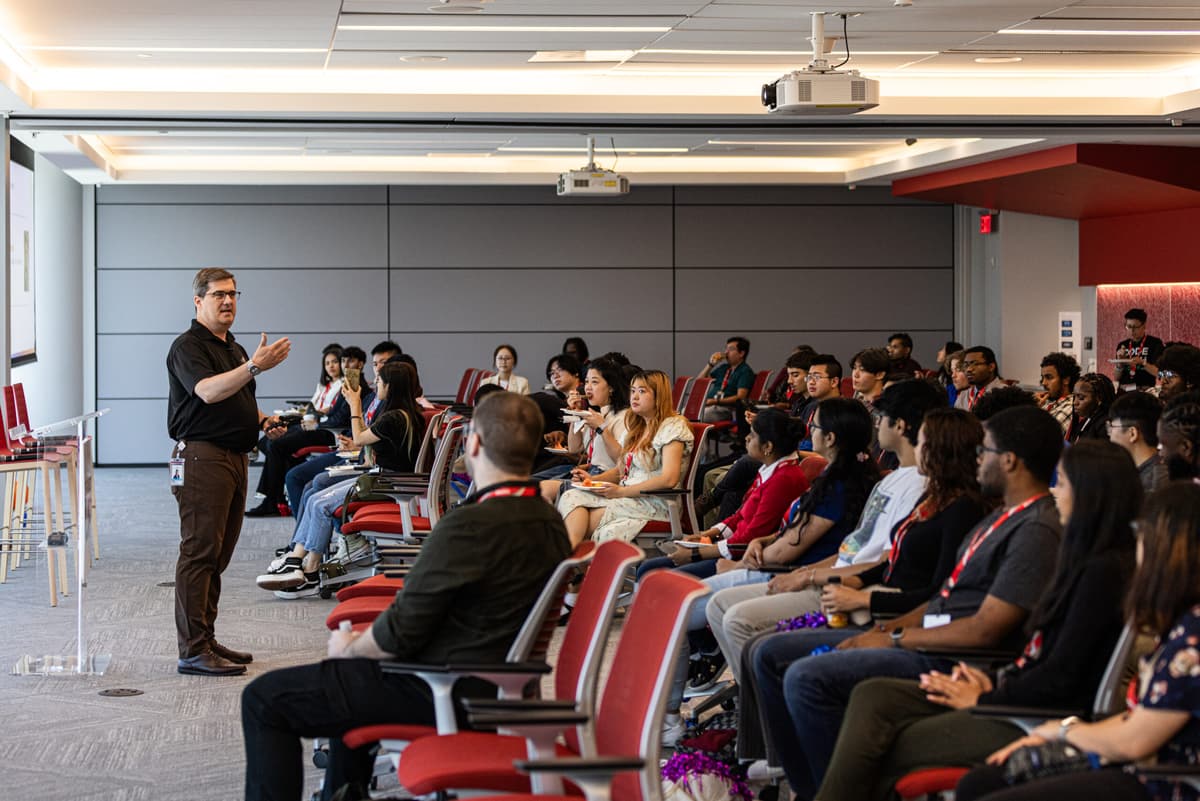
A CodePath lecture session. Engineers from top companies volunteer to teach.
Watch: What is CodePath?
What CodePath does really well
Credit where it is due. CodePath is doing something genuinely valuable for students.
Completely free
No tuition, no premium tier, no upsell. CodePath removes the financial barrier to quality interview prep entirely. That matters a lot for students who cannot afford $100+/month subscriptions.
Structured curriculum
10 weeks of material that takes you from arrays and hash maps through graphs and dynamic programming. Each week builds on the last. You do not have to figure out what to study or in what order.
You learn with people
The cohort model gives you classmates to struggle with, TAs to ask questions, and built-in accountability. For a lot of people, studying alone just does not work. CodePath fixes that.
The network is real
CodePath has partnerships with major tech companies. Their alumni network is active, and completing the program can open doors to interviews and referrals you would not get on your own.
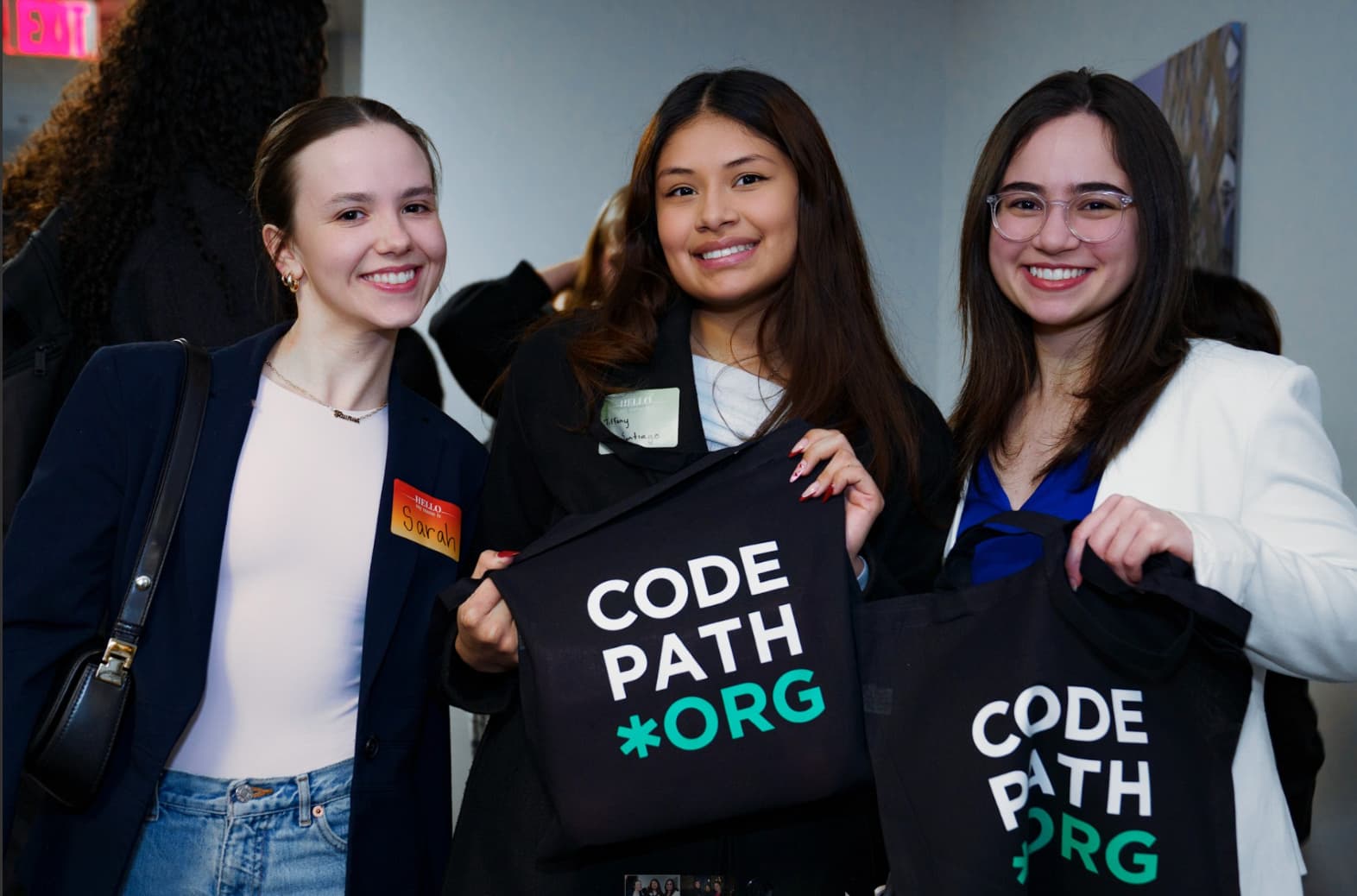
CodePath students. The program has helped thousands of students land roles at top tech companies.
Where it gets tough
None of this is a knock on CodePath. They are doing great work. But the cohort model has real limitations you should know about before relying on it as your only prep strategy.
You might not get in
CodePath is application-based with limited spots. If you do not get accepted, or the cohort timing does not match your interview timeline, you are stuck waiting. Interviews do not wait for your next cohort to start.
The schedule is fixed
Sessions happen at set times for 10 weeks. If you have a job, classes, or other commitments that conflict, you either make it work or miss out. No practicing at midnight on a Sunday.
Mock interviews are peer-based
You practice with other students who are also still learning. They might miss that your time complexity analysis was wrong, or that you skipped a critical edge case, because they are figuring it out too.
Hear it from CodePath students
Real stories from students who went through the program and what it meant for their careers.
Fill the gaps with AI mock interviews
CodePath teaches you the patterns. Crackr AI gives you the reps. Unlimited practice with a voice AI interviewer that does not go easy on you.
Voice AI Interviewer
Practice talking through your solution out loud
Real interviews are conversations, not typing contests. The AI asks questions, listens to your answers, pushes back when your explanation is vague, and throws follow-ups at you. Just like a real interviewer at Google or Meta.
- check_circleReal-time bidirectional voice, not text
- check_circleFollow-ups adapt to what you actually say
- check_circle24/7 on-demand, no scheduling, no partner needed
Alex · AI Interviewer
Alex · speaking
“Walk me through your approach before you start coding.”
Real Coding Environment
Write code while someone is watching
Solving a problem alone on LeetCode and solving it while someone watches and asks questions are completely different skills. Crackr gives you a full code editor inside the interview, just like the real thing.
- check_circleMonaco editor, same engine as VS Code
- check_circle16 languages supported
- check_circleRun and test your code in real time
Instant Scorecard
Know exactly where you need to improve
CodePath peer mocks give you casual feedback. Crackr gives you a detailed scorecard across 5 dimensions after every single session. You can track your progress over time and see what is actually working.
- check_circleScored on problem solving, communication, code quality, complexity, speed
- check_circleWritten feedback with specific things to fix
- check_circleTrack your progress across sessions
Session complete
Your Scorecard
Feedback: Strong complexity analysis. State your recurrence before coding next time, it'll make your thinking clearer.
CodePath vs Crackr AI
Different tools for different parts of the prep process.
| Feature | CodePath | Crackr AI |
|---|---|---|
| Cost | Free (nonprofit, application required) | $1 per session, no application |
| Availability | Cohort-based, limited spots, waitlists | check_circleInstant access, anytime, no waitlist |
| Schedule | Fixed: twice a week for 10 weeks | check_circleOn-demand, 24/7, your pace |
| Mock interviews | Peer-based (other students) | check_circleAI voice interviewer with follow-ups |
| Feedback quality | Peer and TA feedback | check_circle5-dimension scorecard, instant and detailed |
| Topics | Fixed 10-week curriculum | check_circleAny topic, any difficulty, you choose |
| Coding environment | External (LeetCode, etc.) | check_circleBuilt-in Monaco editor, 16 languages |
| Community | check_circleStrong cohort community and alumni network | Solo practice (no peer community) |
| After program ends | No continued structured support | check_circleAlways available, pick up anytime |
Cost
Free (nonprofit, application required)
$1 per session, no application
Availability
Cohort-based, limited spots, waitlists
Instant access, anytime, no waitlist
Schedule
Fixed: twice a week for 10 weeks
On-demand, 24/7, your pace
Mock interviews
Peer-based (other students)
AI voice interviewer with follow-ups
Feedback quality
Peer and TA feedback
5-dimension scorecard, instant and detailed
Topics
Fixed 10-week curriculum
Any topic, any difficulty, you choose
Coding environment
External (LeetCode, etc.)
Built-in Monaco editor, 16 languages
Community
Strong cohort community and alumni network
Solo practice (no peer community)
After program ends
No continued structured support
Always available, pick up anytime
How to use both together
CodePath and Crackr are not competing. One teaches, the other trains. Here is a practical timeline.
Weeks 1-5
During CodePathFocus on CodePath sessions and homework. After each session, do one AI mock interview on the same topic you just covered. This reinforces the patterns while they are fresh and gets you used to explaining your thinking out loud.
Weeks 6-10
Ramping upBy now you have seen most core topics. Start doing 2 to 3 AI mock interviews per week on mixed topics. This simulates real interview conditions where you do not know what topic is coming. Pay attention to your scorecards and double down on weak areas.
After CodePath
The final stretchDo not let the momentum die. Keep doing 3 to 4 mock interviews per week until your real interviews happen. The difference between someone who stops after the cohort and someone who keeps going is usually the difference between a "maybe" and an offer.
What if you cannot get into CodePath?
Not everyone gets accepted, and not everyone can wait for the next cohort. If that is your situation, you can still build a strong prep plan on your own.
Pick a problem list
Start with the Blind 75 or Grind 75. Both cover every major pattern companies test. Work through them topic by topic. That gives you the same foundation CodePath would.
Add mock interviews early
Do not wait until you finish every problem. Once you have 20 to 30 under your belt, start doing AI mock interviews. The sooner you practice under pressure, the faster you improve.
Frequently asked questions
Is CodePath technical interview prep free?add
Yes, completely free. CodePath is a nonprofit funded by tech company partnerships. No tuition, no hidden fees. You apply, get accepted into a cohort, and attend live sessions at no cost.
How long is CodePath's technical interview prep program?add
10 weeks. Sessions happen twice a week, about 1.5 hours each. Between sessions you do independent practice on LeetCode-style problems. Plan for roughly 8 to 12 hours per week total.
How hard is it to get into CodePath?add
It is selective. Acceptance depends on your year in school, background, and commitment level. They prioritize students from underrepresented communities in tech. If you do not get in on your first try, you can reapply for the next cohort.
Can I practice technical interviews without CodePath?add
Absolutely. You can self-study using the Blind 75 or Grind 75 problem lists and practice with AI mock interview tools like Crackr AI that give you real-time feedback and scorecards after every session.
What topics does CodePath's interview prep cover?add
Arrays, strings, hash maps, linked lists, stacks, queues, trees, graphs, recursion, dynamic programming, and sorting algorithms. It follows a structured progression from easier topics to harder ones over the 10-week span.
Is CodePath enough to get a job at a big tech company?add
CodePath gives you a solid foundation in data structures and algorithms. But interviews at top companies also test communication, problem-solving under pressure, and your ability to handle follow-up questions on the fly. Most people who land offers combine structured learning with lots of mock interview practice.
What is the best way to supplement CodePath?add
The biggest gap in any curriculum-based program is realistic interview simulation. After learning the patterns, you need to practice explaining your thought process out loud, coding under time pressure, and handling curveballs. AI mock interview tools let you do this on your own schedule without needing a practice partner.
Learning the patterns is half the battle
The other half is performing under pressure, explaining your thinking clearly, and handling curveball follow-ups. That only comes with practice. Your first interview is free.
Try a free mock interviewarrow_forwardThe best interview prep is reps.
One free interview. No credit card. No subscription.
Start practicing nowarrow_forward